
The best constipation guide on the internet
It's go time!

I feel like most of my friends have some version of “poo trouble.” Someone is bloated all the time. Someone else hasn’t gone in four days and doesn’t seem particularly bothered by it! For years, health professionals have offered the same well-meaning but to be honest, pretty vague advice: eat more fibre and drink more water. Helpful but unspecific…
Very excitingly (!) we finally have something better than guesswork now in the science world. In 2025, the British Dietetic Association published the first comprehensive, evidence-based dietary guidelines for managing chronic constipation in adults. These recommendations are based on systematic reviews of 75 randomized controlled trials involving thousands of participants, making them the most rigorous evaluation of dietary strategies for constipation to date. The findings confirm some beliefs, challenge others, and give us a clearer direction on what actually works.
This article is all about how to relieve constipation, without immediately reaching for laxatives or medications. While the focus is on adults, many of these principles apply to children too! I also discuss what DOESN’T work (spoiler: certain supplements that heaps of health professionals tout online as being “magic”).
How do I know I am ACTUALLY “constipated”?
There’s an important distinction we don’t talk about enough: the difference between the occasional off day and true, ongoing constipation. Missing a bowel movement now and then (especially around travel, stress, or different phases of the menstrual cycle) is completely normal. Struggling week after week is not. And feeling uncomfortable, heavy, or backed up isn’t something you should just learn to tolerate, particularly when it’s often preventable!
Symptoms include:
feeling that your bowels haven’t emptied completely or your anus is blocked
straining to pass a bowel motion
manipulating your body position to try and pass a bowel motion
having fewer than three bowel motions per week.
If over a three-month period you answer yes to two or more of these symptoms most weeks, then you have “constipation”. If these symptoms persist for three months or longer, or if your bowel habits change suddenly, it’s really really important to see a GP. Especially as bowel cancer rates continue to rise, with Australia having some of the highest rates in people under 50. That said, for the far more common pattern of mild, recurring constipation, diet changes are often enough to make a meaningful difference. Ok WHAT WORKS?! Lets get into it.
What Actually Works
1. Magnesium Oxide
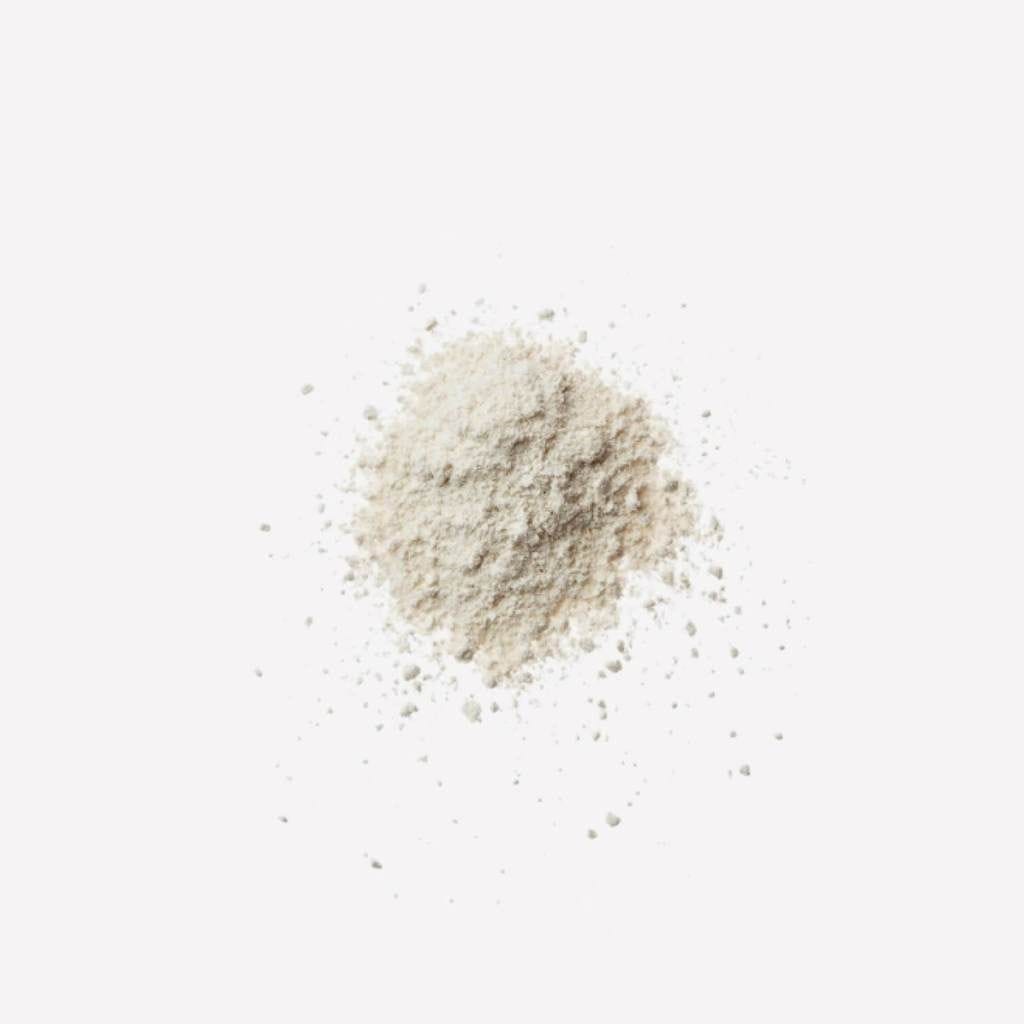
One of the most interesting, and honestly kind of surprising findings from the guidelines was how well magnesium oxide worked. Out of everything studied, it had the strongest and most consistent results.
In practical terms, taking magnesium oxide daily (between 0.5 and 1.5 grams for at least four weeks) helped people go to the toilet more often and more comfortably. Compared to a placebo (dummy treatment), people were more than twice as likely to feel their constipation had improved. On average, they had almost four extra proper bowel movements each week. Stools became softer, straining reduced, bloating eased, abdominal discomfort improved and overall quality of life went up. Pretty amazing!
Magnesium oxide is easy to find at the chemist or online these days and comes in both capsule and powder form. To put the dosage in perspective… if you were taking something like this you would start with one capsule a day and slowly work up to four capsules a day over the four weeks. Or for this powder, you would start with 1/2 a teaspoon and then work up to 1.5 teaspoons a day over the 4 weeks.
I find that capsules are often simpler to take day-to-day, but powders can be adjusted more easily if you’re sensitive and want to fine-tune your dose..
There is one important catch! In one study, about half of the participants needed to reduce their dose because it caused loose stools or tummy pain. That’s why starting low matters. Beginning at around 0.5 grams per day and increasing slowly gives your gut time to adjust and helps avoid overdoing it.
This is one of the most reliable non-medication options we currently have.
2. Psyllium
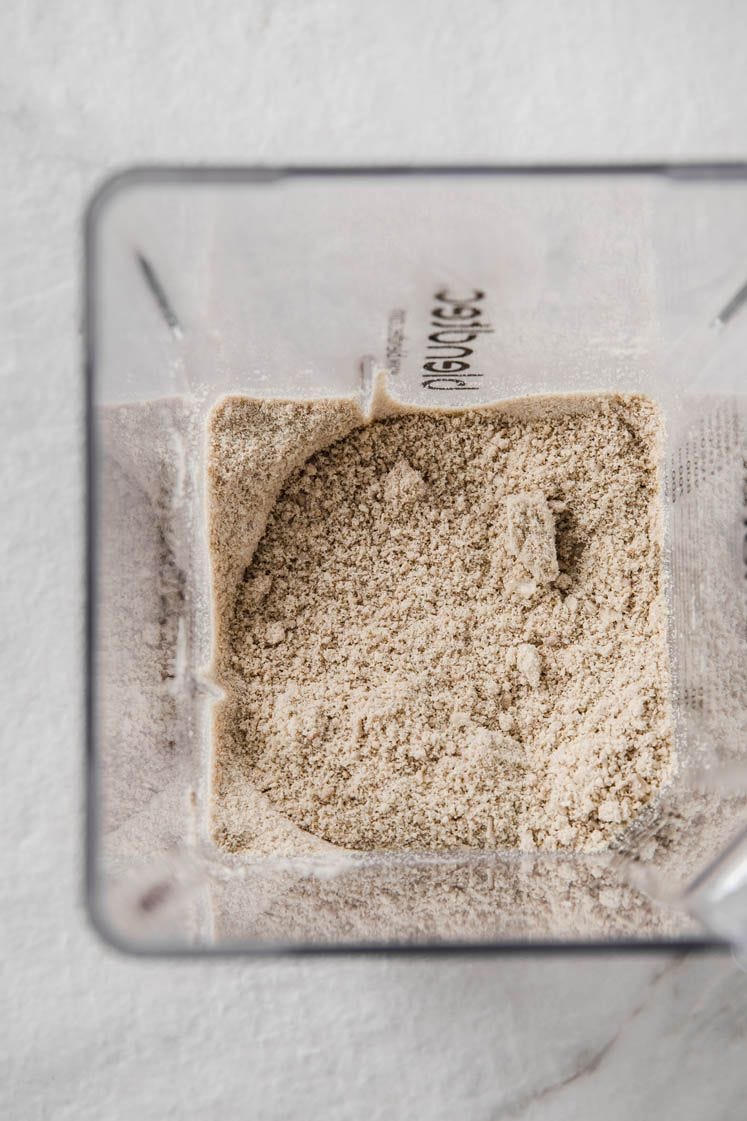
The research shows that psyllium is genuinely effective when taken in the right amount and for long enough. Doses ABOVE 10 grams per day (roughly 2 heaped teaspoons) taken consistently for at least four weeks, helped more people feel real relief from constipation. People went to the toilet more often, stools were softer and easier to pass, and straining reduced noticeably.
The amount really matters here. Smaller doses didn’t work nearly as well. In other words, sprinkling a little psyllium into your diet occasionally is unlikely to do much. Psyllium only showed clear benefits once people reached doses above 10 grams per day and stuck with it for 4 weeks.
Psyllium should be introduced slowly, especially if you’re prone to bloating or have IBS. Starting with around 1 teaspoon per day, then increasing weekly until you reach 2 heaped teaspoons, helps your gut adapt and reduces gas and discomfort. And it’s essential to drink enough water! Psyllium works by absorbing fluid and forming a gel, so without enough water it can actually make things worse.